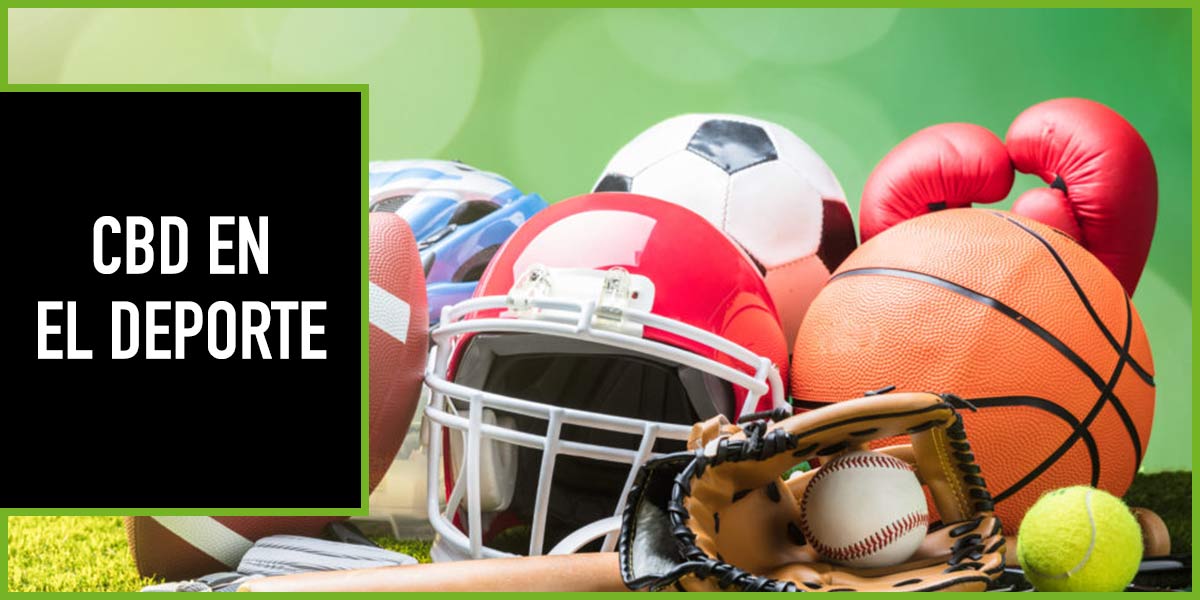
The sports world has embraced CBD enthusiastically: it's sponsored by athletes, appears in nutrition stores, and is sold as part of recovery routines. The question is whether that enthusiasm is matched by the evidence.
This article reviews what has been studied, what the regulations say, and what real role a hemp product can play in sports practice.
Why CBD fits into the sports narrative
Sports value recovery, rest, and body care. CBD is presented with language that fits: "natural," "recovery," "wellness." It's a powerful narrative, and that's why it sells well.
But the narrative is not evidence. Most studies are small and measure perceptions, not performance.
-
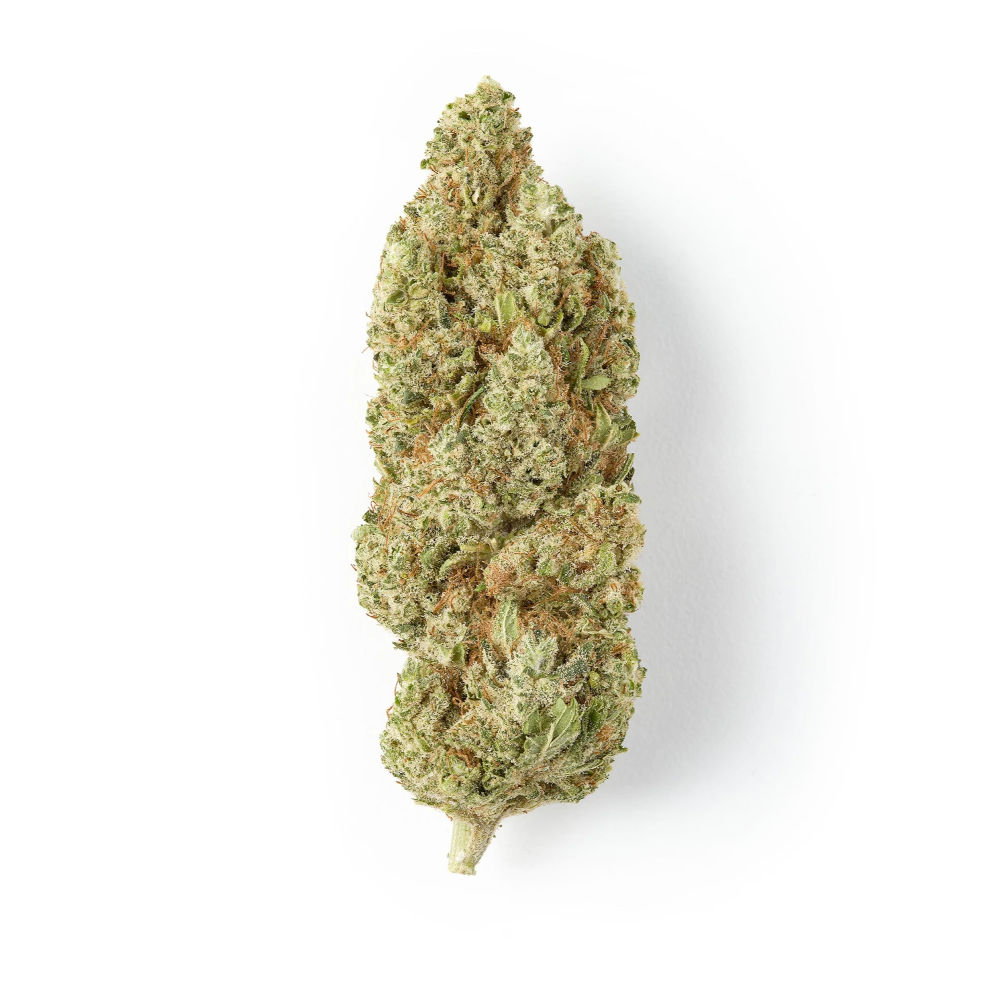
Amnesia Hydro
From 8.00€ -

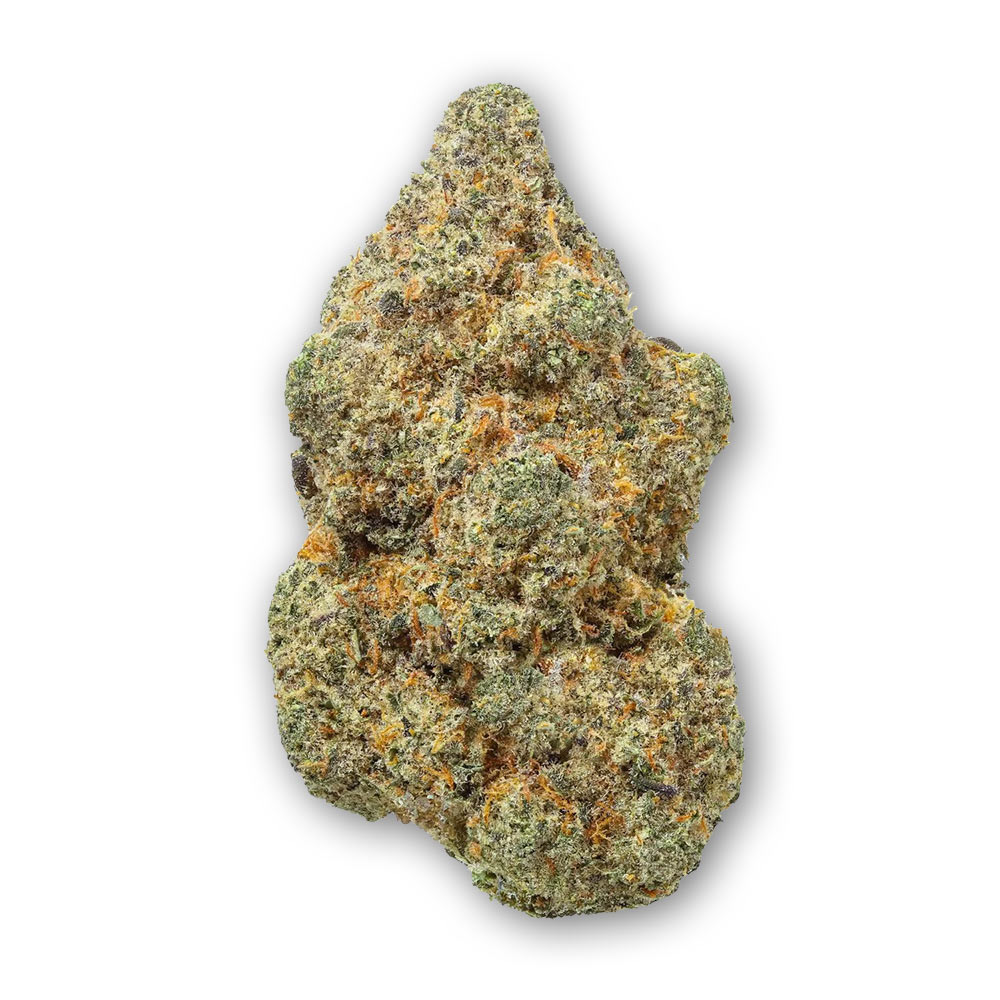
Banana Kush
From 8.00€ -
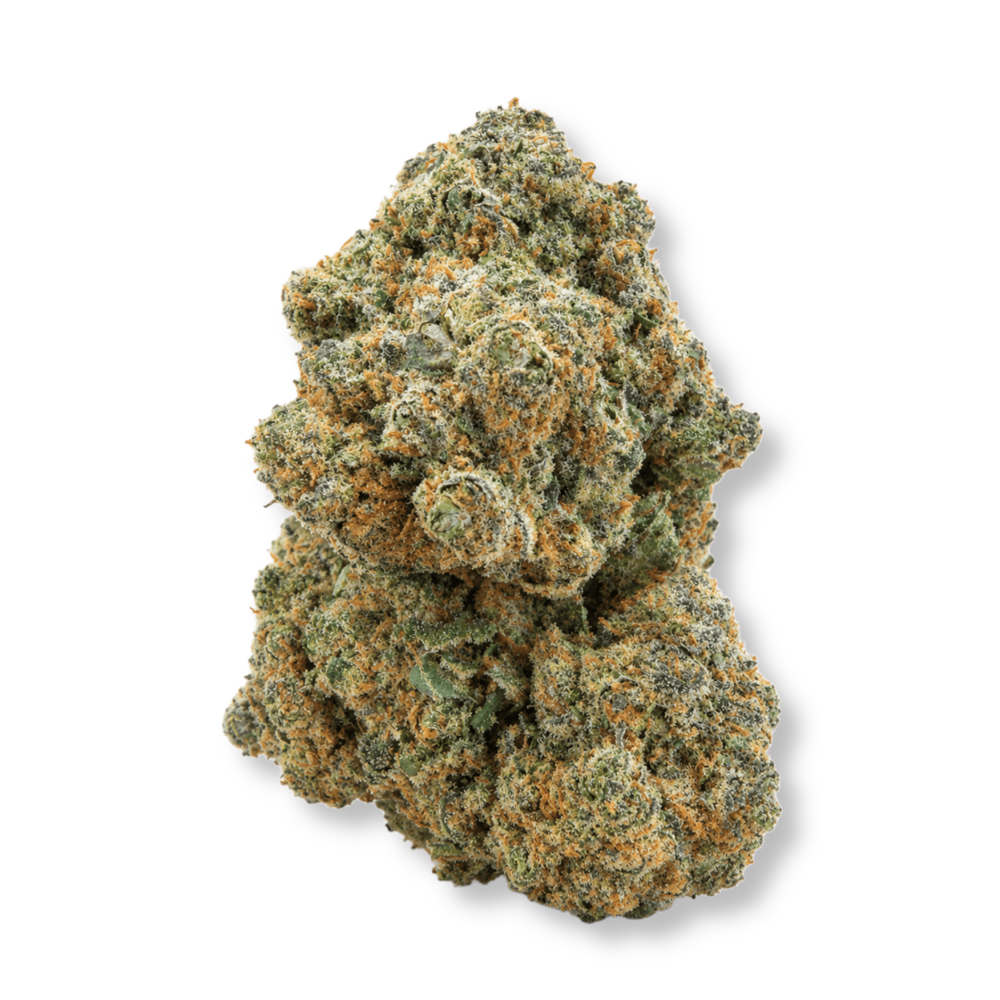
Blueberry Hydro
From 8.00€ -
Candy Kush (2x1)
From 8.00€ -
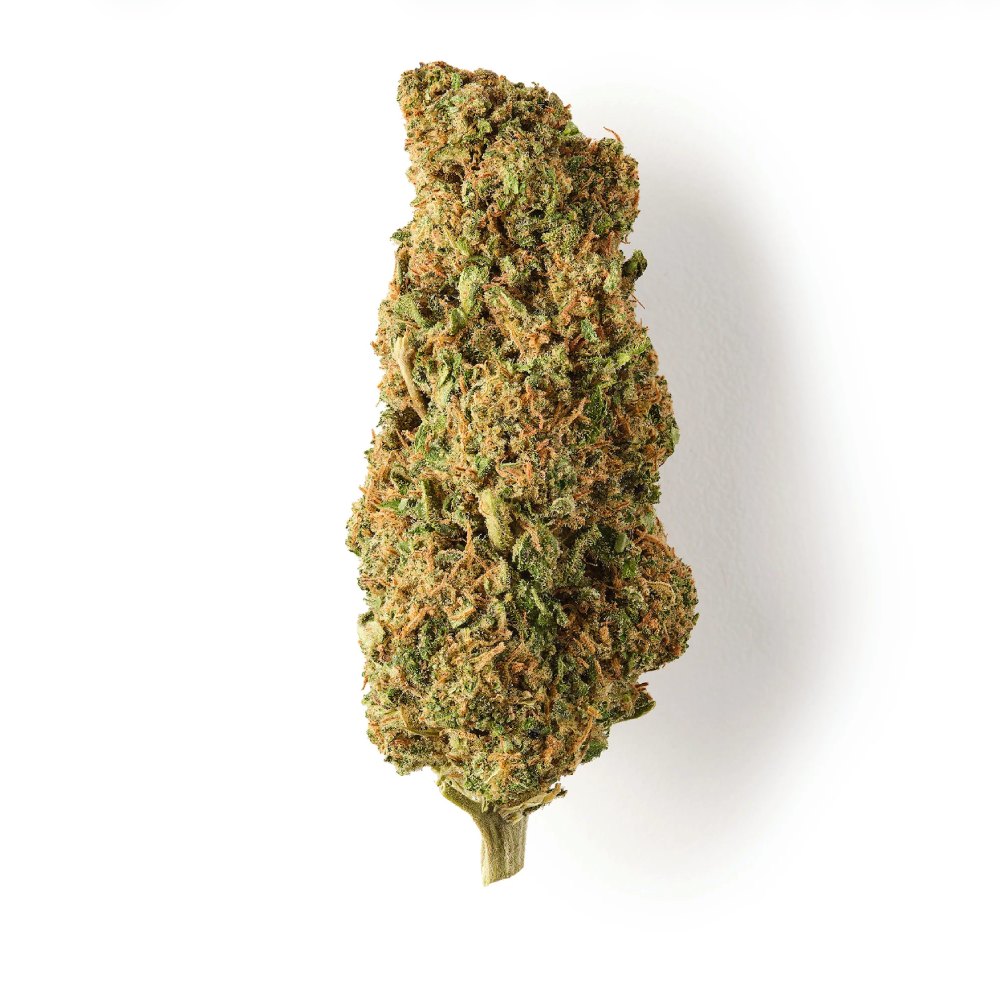
Durban Poison
From 8.00€ -
Garry Payton
From 8.00€ -

IceRock (2x1)
From 8.00€ -
Maui Wowie
From 8.00€ -
Smallbuds
From 9.90€ -

Sugar Cream
From 8.00€



What science says
Reviews of CBD and exercise find few high-quality trials. Some observe reductions in perceived pain; others find no difference. There is no data to support improved performance or faster recovery.
In athletes, sleep, nutrition, and training load also play a role, factors that explain much more than any supplement.
Sleep: the factor that does matter
Sleep is the most powerful recovery tool there is. Improving its quality has a direct impact on performance, mood, and injury prevention. Any product that worsens sleep—for example, through daytime sleepiness or interactions—works against you.
Before adding supplements, it's advisable to review schedules, screen time, and caffeine intake.
Anti-doping
CBD is not banned by WADA, but THC is prohibited in competition. Full-spectrum products may contain traces, and a positive test has serious consequences for an athlete.
If you compete, request batch analysis and consult with your federation. The "0% THC" label is not always backed by analysis.
What to look for before buying
Composition, concentration, batch analysis, and absence of therapeutic claims. A reputable product does not promise to cure injuries or improve scars.
And if the seller recommends dosages or guidelines, be wary: they are not a healthcare professional and the product is not a medicine.
grassroots sport and elite sport
In amateur sports, the room for improvement usually lies in rest and consistency, not in supplements. At the elite level, every product undergoes strict controls and protocols.
In both cases, the decision should be based on data and not on the sponsorship of an athlete.
What we do
We don't make performance promises. We sell products with documentation and explain what they are and what they aren't.
What exactly does the AMA say?
The World Anti-Doping Agency maintains THC and other psychoactive cannabinoids on its list of prohibited substances in competition. CBD, however, is not prohibited. This distinction is important, but it doesn't shield the product.
A full-spectrum product may contain enough traces of THC to trigger a drug test. That's why professional athletes often opt for isolates with specific testing or avoid the product altogether.
The ultimate responsibility lies with the athlete: the label does not exempt them from a positive test.
Recovery: what works
Sleeping, eating enough, staying hydrated, and planning your training load all have a measurable impact. Active recovery and mobility work help, although with more modest effects.
Supplements are an addition, not the foundation. And in most cases, the room for improvement lies in the basics.
How to choose a product without falling for marketing tricks
Look for focus, batch analysis, and no empty promises. If the salesperson talks about "express recovery" or "maximum yield," they're selling a story. If they provide the analysis, at least you know what you're buying.
And remember that no store-bought product is authorized to treat injuries.
The athlete's dream
Sleep is the time when training adaptations are consolidated and the nervous system recovers. Chronically sleeping less than seven hours is associated with more injuries, poorer performance, and a greater perceived exertion. No supplement can compensate for this sleep deficit.
Sleep routines—regular schedules, adequate light, and less screen time at night—have a greater effect than any trendy product. If sleep is persistently poor, it's advisable to consult a doctor.
In athletes with late training schedules, caffeine and heavy meals before bed are frequent causes of insomnia. Addressing these issues is more helpful than adding CBD.
Injuries and expectations
An injury requires diagnosis and treatment. No over-the-counter product is authorized to cure tendons, bones, or muscles, and delaying medical consultation to try supplements can worsen the condition.
Rehabilitation, progressive overload, and rest are the foundation. Any promise of rapid recovery through oral medication should be viewed with skepticism.
What to ask before buying
Ask about the actual concentration, THC content, and batch analysis. If the seller can't show you the documentation before you buy, the label is just a promise.
And if they recommend a specific amount or a dosage plan, remember that they are not a healthcare professional and the product is not a medicine.
For context, see what CBD is and the guide on the legal framework in Spain.
The conclusion is the same as in the rest of the industry: CBD is not a substitute for training, rest, or nutrition. Any message that presents it as a shortcut is selling expectations, not results.
Sources and transparency
This article summarizes peer-reviewed literature and public documents from the European Medicines Agency and the Spanish Agency for Medicines and Health Products. It is not a systematic review or medical advice. Statements may change as new studies are published; if you find an error, please let us know and we will correct it.
FAQ
Is CBD doping?
It is not prohibited by WADA; THC is prohibited in competition.
Does it improve performance?
There is no evidence to prove it.
Is it good for injuries?
It is not authorized as a treatment. The injuries require medical evaluation.
What improves recovery?
Sleep, nutrition, hydration, and planning.
Contact
WhatsApp 623 18 92 54 , Monday to Friday. Questions about composition, formats or documentation.